Audio guide planning
Practical answers about audio guide rentals, accessibility, languages, triggering, and museum operations.
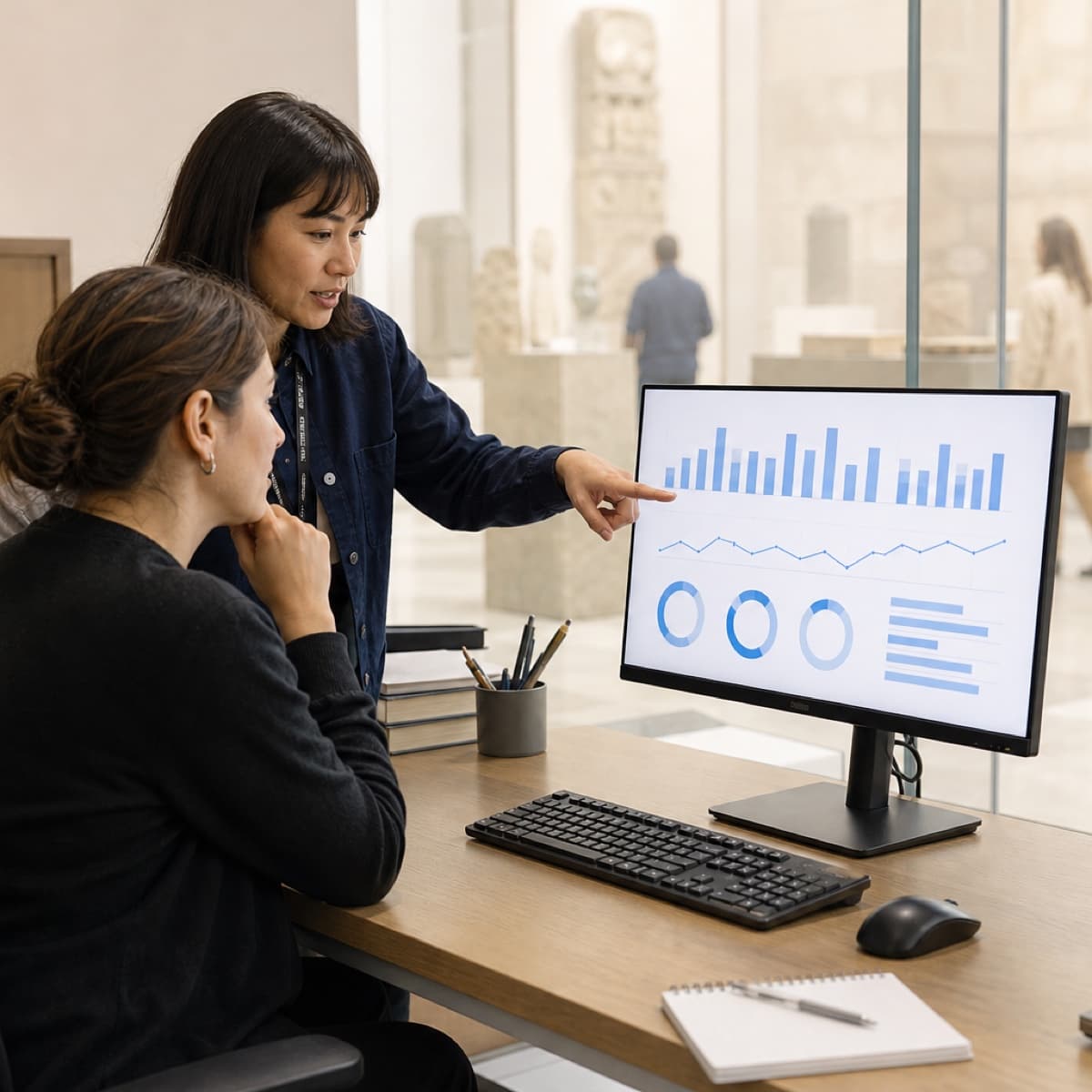
Museum visitor analytics: what audio guide data can tell you
A practical guide to museum visitor analytics from audio guides: uptake, playback progress, language use, selected-stop sequences, privacy and reporting.

Audio guides vs museum apps: which should a museum choose?
How to choose between dedicated audio guides, native museum apps, and web-based tours: uptake, reliability, accessibility, cost structure, and when a hybrid deployment makes sense.
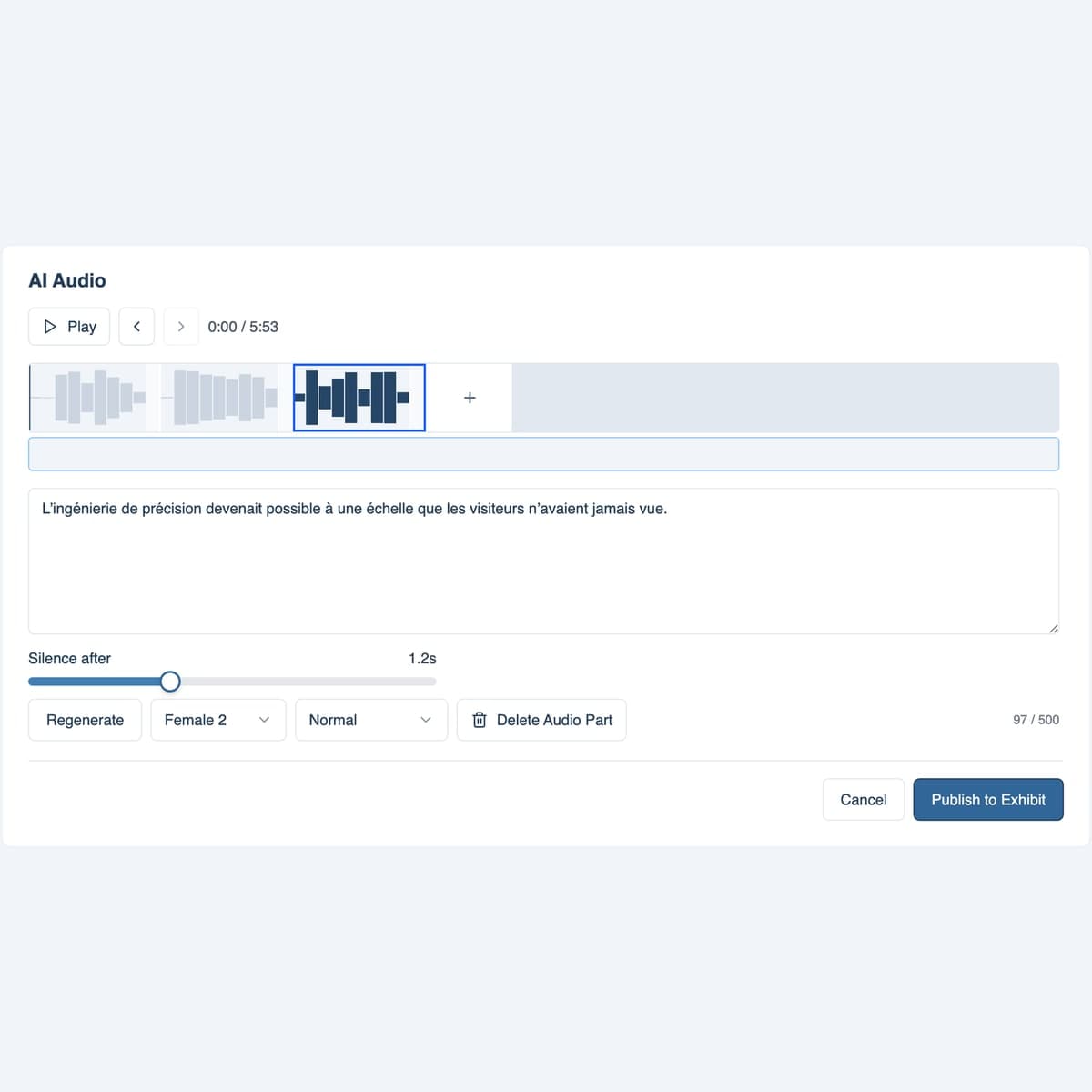
AI voices for museum audio guides: when to use generative narration
When AI narration is the right choice for a museum audio guide, how to pick a voice, keep identity across languages, handle pronunciation and copyright, and publish approved audio through the CMS.
Museum audio guide content production: voiceover, translation and AI
How museums take an audio guide script from approved draft to device-ready audio: recording briefs, voice casting, multilingual translation, AI-generated narration, format requirements and CMS sync.
How many audio guides does a museum need?
A practical formula for sizing a museum audio guide fleet: peak simultaneous-use windows, tour duration, charging rotation, spare units, and how the numbers change for temporary exhibitions and seasonal peaks.
Audio guides for blind and low-vision museum visitors
How museums build an audio guide track for blind and low-vision visitors: tactile and braille hardware, audio description scripts, wayfinding prompts, staff handout, and ADA, European Accessibility Act and WCAG compliance.
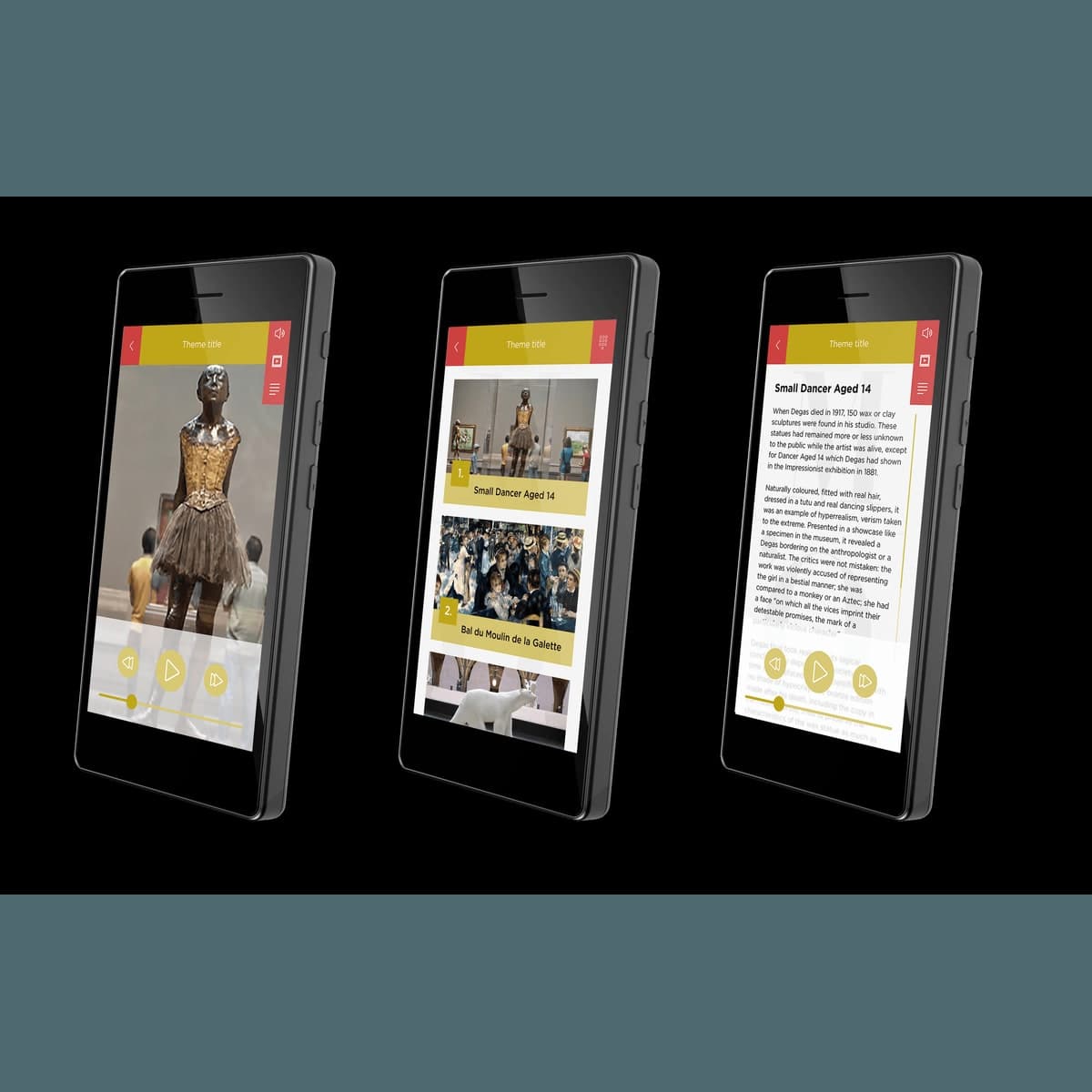
Museum tablet tours: a 2026 buyer's guide
What a museum tablet tour is, what the device should do, how content and operations differ from an audio-only tour, and how to decide whether tablets, dedicated audio guides, or a mixed fleet fit the exhibition.
Tablet audio guides vs dedicated audio players for museums
How to choose between tablet and dedicated-device audio guides for museums: visitor experience, content depth, accessibility, fleet operations, and when each is the better fit.
Museum audio guide triggering modes: pros and cons
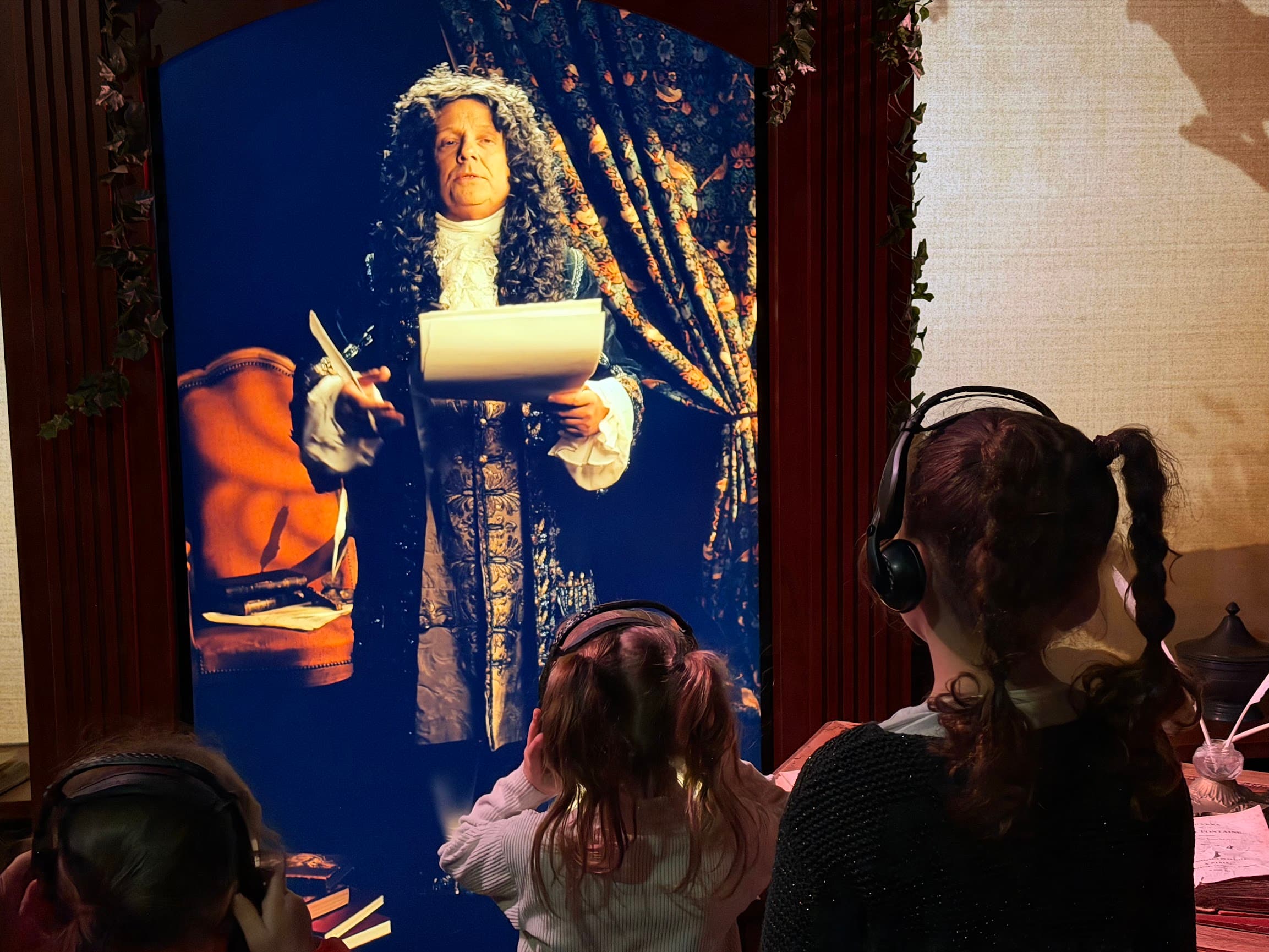
A practical comparison of manual, RF, infrared, RFID, Bluetooth, GPS, UWB, AR, vision, Point & Click, Buzz & Play, and guide-side triggering for museum audio guides.
Wireless tour guide systems for museums: planning guide
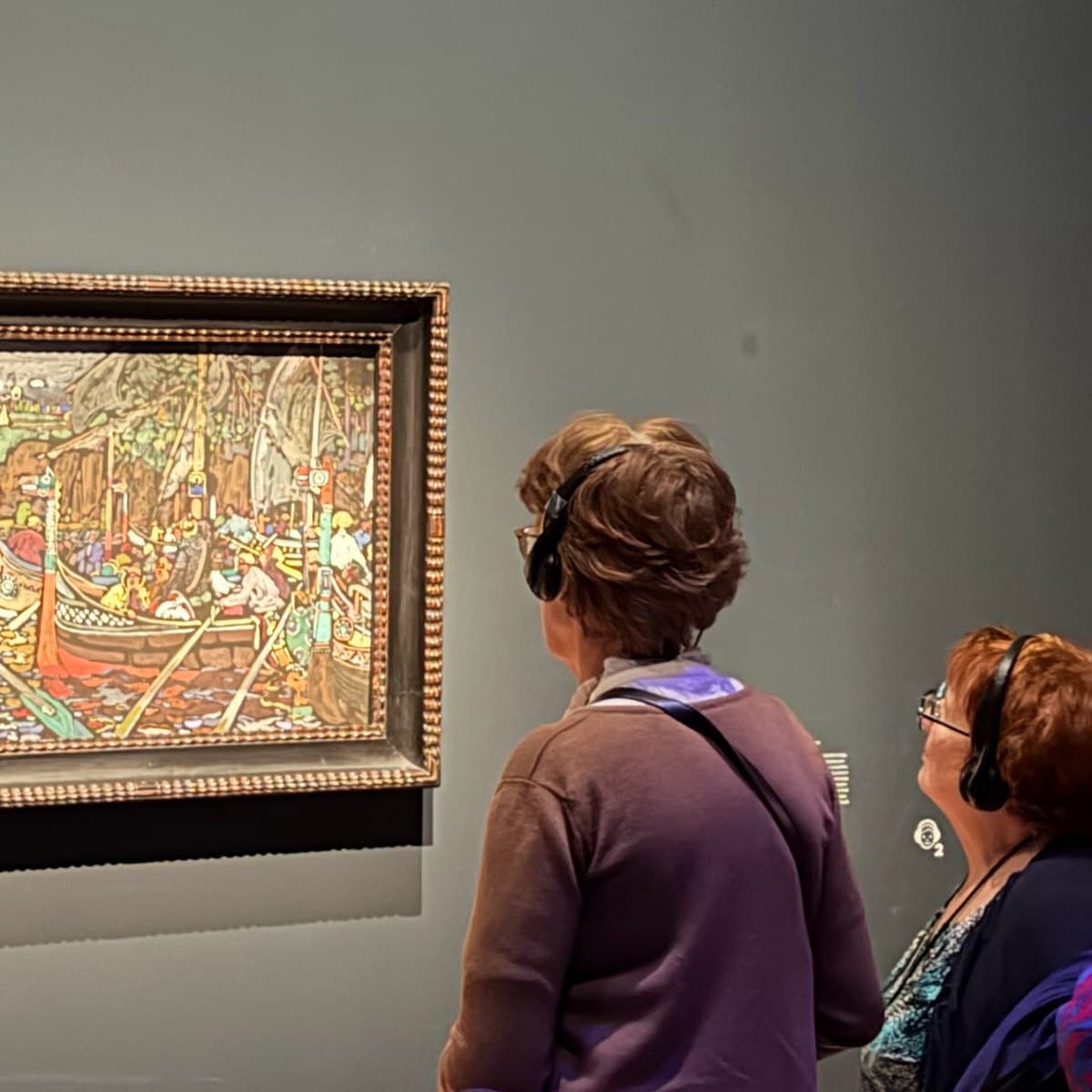
How to choose a wireless audio tour guide system for museums and heritage sites, including Pulse for compact group audio and dual-use Style and Mini Style fleets.
Museum audio guide script best practices: pacing, crowded exhibits and short attention spans
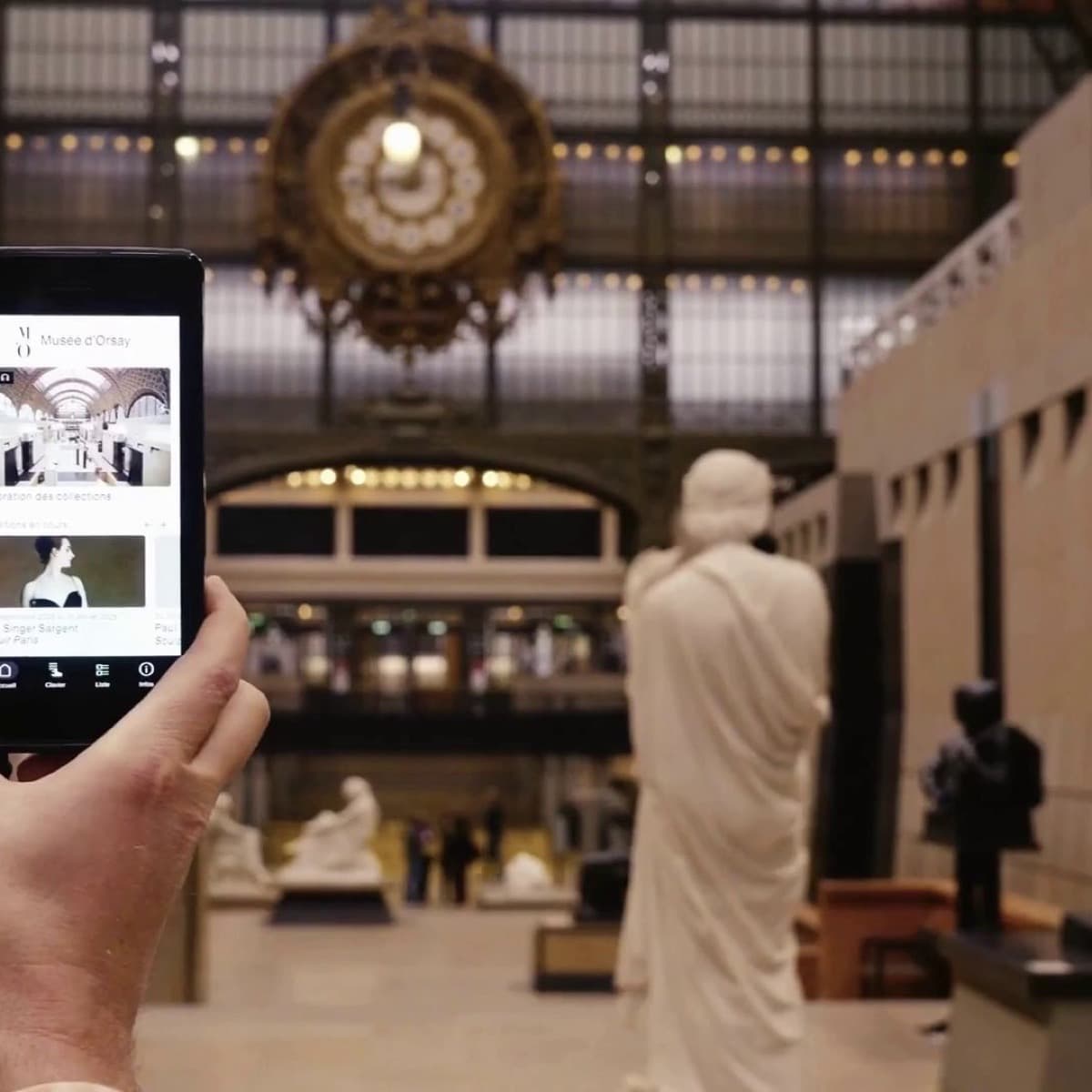
A practical guide to writing museum audio guide scripts: stop length, word budgets, pacing, crowded-gallery cues, translation, audio description and gallery testing.
Accessible audio guides for museums
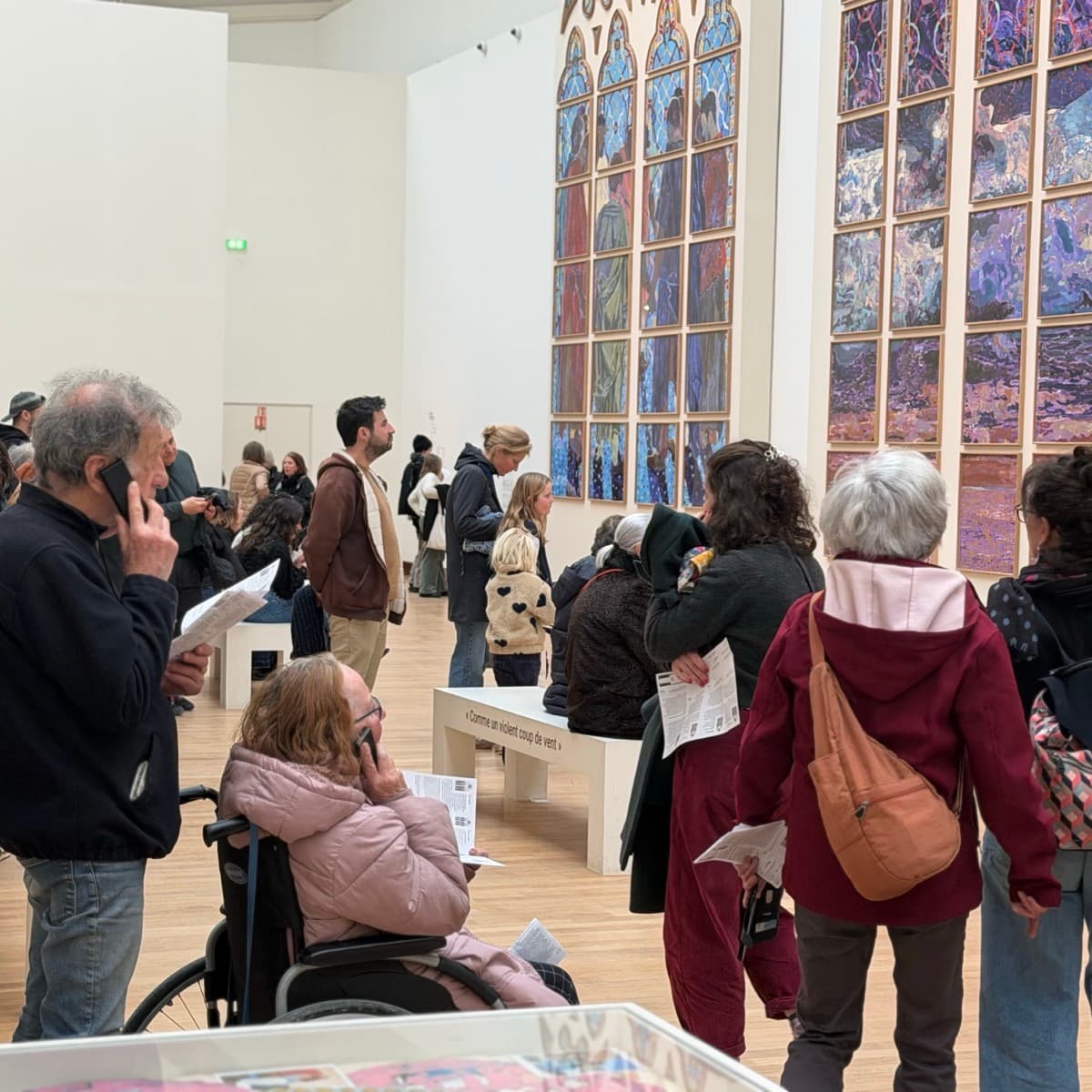
How museums make audio guides accessible with tactile controls, braille input, audio description, hearing-loop support, sign-language tablets and simplified tour variants.

Museum audio guide equipment: 2026 buyer's guide
A buyer's guide to museum audio guide equipment: devices, headphones, triggers, charging, software, accessibility, support and total cost.
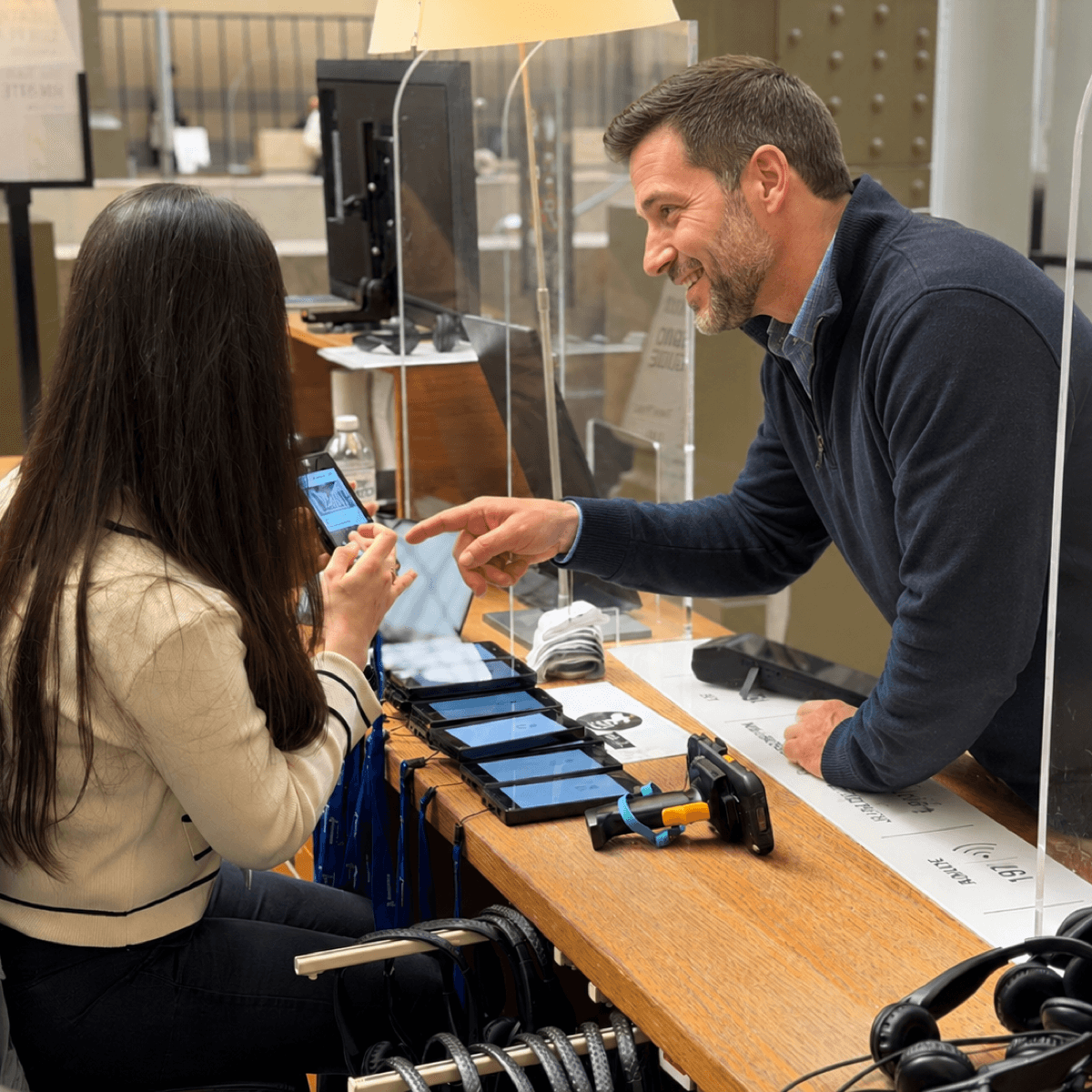
Museum audio guide planning guide
A practical guide to choosing museum audio guides by rental model, accessibility needs, languages, triggering, charging, and daily operations.